The Cortisol Craze: What Social Media Gets Wrong About Stress Hormones
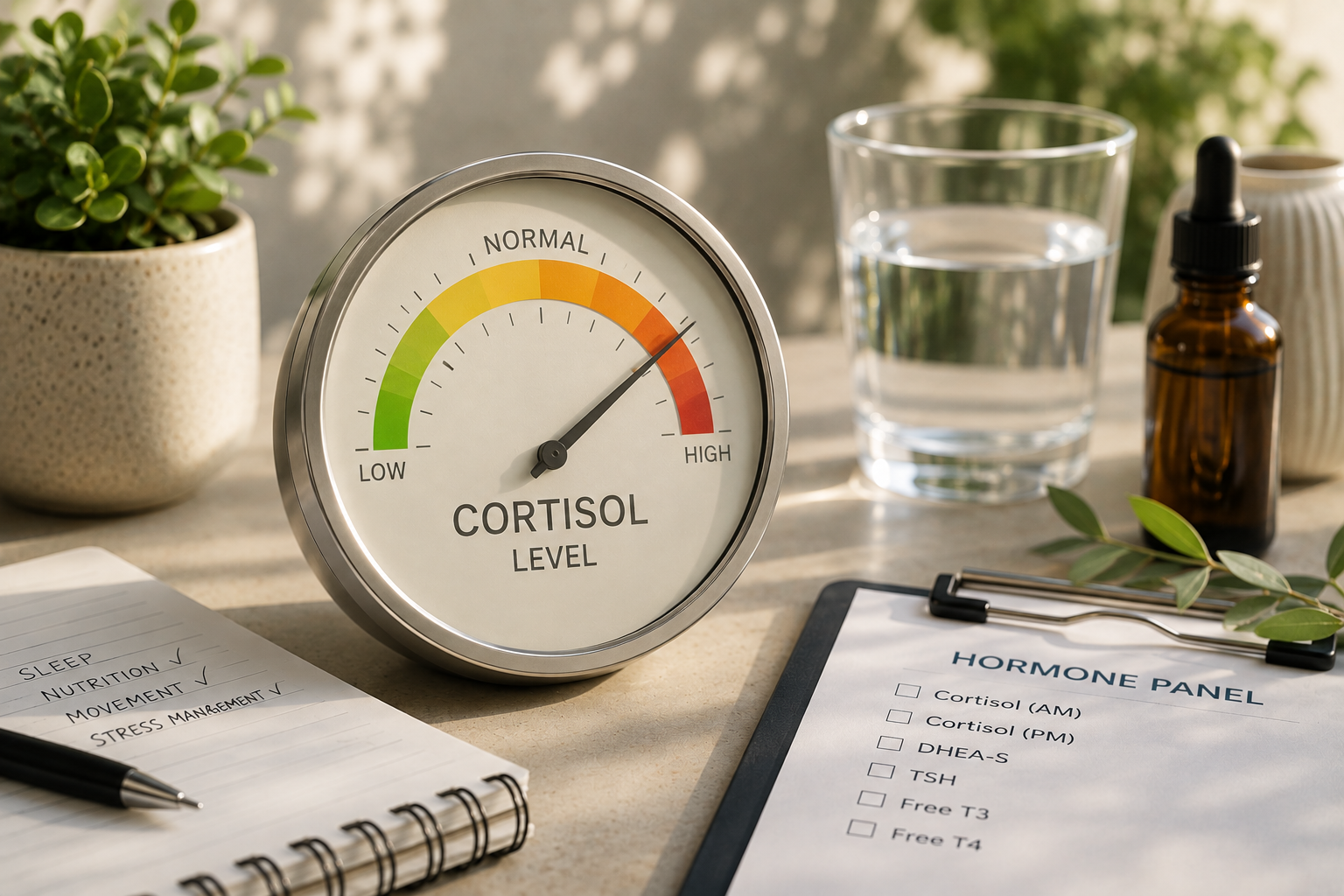
Open Instagram, TikTok, or Facebook, and you're likely to see someone talking about cortisol.
"Cortisol face."
"Cortisol belly."
"Cortisol detox."
"Cortisol supplements."
According to social media, cortisol seems to be responsible for nearly everything from weight gain and poor sleep to low energy and stubborn belly fat. But is it?
The answer is more nuanced than many headlines suggest. Cortisol isn't the enemy. In fact, without it, your body couldn't function.
The real question isn't whether cortisol is "good" or "bad." It's understanding what this hormone actually does, when it becomes a concern, and why your overall health is about much more than a single laboratory value. At Balanced Vitality Center, we believe informed decisions begin with understanding the science, not the latest trend.
Why Has Cortisol Become Such a Hot Topic?
Health information has never been more accessible, but it has also never been easier to oversimplify.
Social media thrives on quick explanations and catchy headlines. Complex topics are often condensed into 30-second videos, leaving little room for context or nuance.
It's understandable why cortisol has become part of the conversation. Many people are feeling overwhelmed, sleeping less, juggling busy schedules, and searching for answers when they don't feel their best.
While chronic stress absolutely deserves attention, not every symptom points to a cortisol problem.
What Cortisol Actually Does
Cortisol is often called the body's primary stress hormone, but that description only tells part of the story.
Produced by your adrenal glands, cortisol plays an essential role in everyday health. It helps your body:
Wake up and maintain a healthy sleep-wake cycle
Regulate blood pressure
Maintain stable blood sugar levels
Support your immune response
Respond to physical and emotional stress
Provide energy when your body needs it most
In other words, cortisol isn't something you want to eliminate. It's a hormone your body relies on every single day. Like many things in medicine, balance matters.
Stress Doesn't Always Mean High Cortisol
One of the biggest misconceptions online is that feeling stressed automatically means your cortisol levels are abnormally high. In reality, stress is an experience. Cortisol is one part of your body's natural response.
When you encounter a stressful situation, your cortisol levels naturally rise to help you respond. Once the situation has passed, healthy regulatory systems typically help cortisol return to its normal rhythm.
Persistent stress, however, can affect many aspects of your health over time. Poor sleep, limited physical activity, inadequate nutrition, chronic illness, and ongoing emotional stress can all influence how your body responds to stress.
The important takeaway is this: symptoms alone cannot diagnose a cortisol imbalance. Many medical conditions can cause fatigue, weight changes, sleep disturbances, and mood changes, which is why a comprehensive evaluation is often more helpful than assuming cortisol is the only explanation.
What About "Cortisol Belly" and "Cortisol Face"?
These phrases have become incredibly popular online, but they're not recognized medical diagnoses.
Body composition and facial appearance are influenced by many factors, including genetics, nutrition, physical activity, sleep quality, hormone balance, medications, metabolic health, and certain medical conditions.
While chronic stress may contribute to changes in appetite, lifestyle habits, and overall health, it's rarely accurate to blame every physical change on cortisol alone. Our bodies are far more complex than a single social media trend can explain.
Do You Need a Cortisol Detox?
Probably not.
Your body already has sophisticated systems that regulate hormones, including cortisol.
Rather than trying to "detox" cortisol, a better approach is supporting the habits that help your body respond to stress more effectively.
Current evidence supports focusing on:
Prioritizing consistent, high-quality sleep
Eating a balanced, nutrient-dense diet
Engaging in regular physical activity, including strength training
Managing stress through mindfulness, prayer, breathing exercises, or other relaxation techniques
Spending time outdoors
Maintaining meaningful relationships and social connection
Allowing adequate time for recovery between periods of physical and emotional stress
These habits don't promise overnight results, but they support the body's natural ability to maintain balance over time.
When Should You Talk to a Healthcare Professional?
Occasional stress is a normal part of life.
However, persistent symptoms deserve attention.
If you've been experiencing ongoing fatigue, unexplained weight changes, disrupted sleep, difficulty concentrating, changes in mood, or other symptoms that aren't improving, it's worth discussing them with a qualified healthcare professional.
Rather than focusing on one hormone in isolation, your provider can evaluate the bigger picture, including your medical history, lifestyle, medications, nutrition, sleep, metabolic health, and, when appropriate, laboratory testing.
Understanding the root cause is often far more valuable than chasing the latest wellness trend.
Our Perspective
At Balanced Vitality Center, we don't believe every symptom can be explained by a single hormone.
We believe your body is an interconnected system where hormones, metabolism, nutrition, sleep, movement, stress, and lifestyle all influence one another.
Looking at only one piece of the puzzle can cause us to miss the bigger picture.
That's why our approach is personalized, evidence-based, and focused on identifying the factors that are most relevant to your unique health story. Rather than relying on assumptions or internet trends, we work with you to better understand what's happening in your body and create a plan that supports your long-term health.
The Bottom Line
Social media has helped bring attention to the importance of stress and overall wellness, but not every trending claim reflects the full picture.
Cortisol isn't something to fear. It's an essential hormone that helps your body function exactly as it was designed. Instead of searching for quick fixes or self-diagnosing based on viral videos, focus on the habits that support your overall health and partner with a healthcare professional when symptoms persist.
Because your health deserves more than a trending diagnosis. It deserves thoughtful, personalized care.
If you're experiencing persistent fatigue, unexplained weight changes, sleep concerns, or other symptoms that are affecting your quality of life, we're here to help.
To learn more about your health and create a personalized wellness plan, schedule a Deep Dive Health Assessment with Balanced Vitality Center in Lake Nona, Florida by texting our office at (321) 471-0957.