PCOS Has a New Name
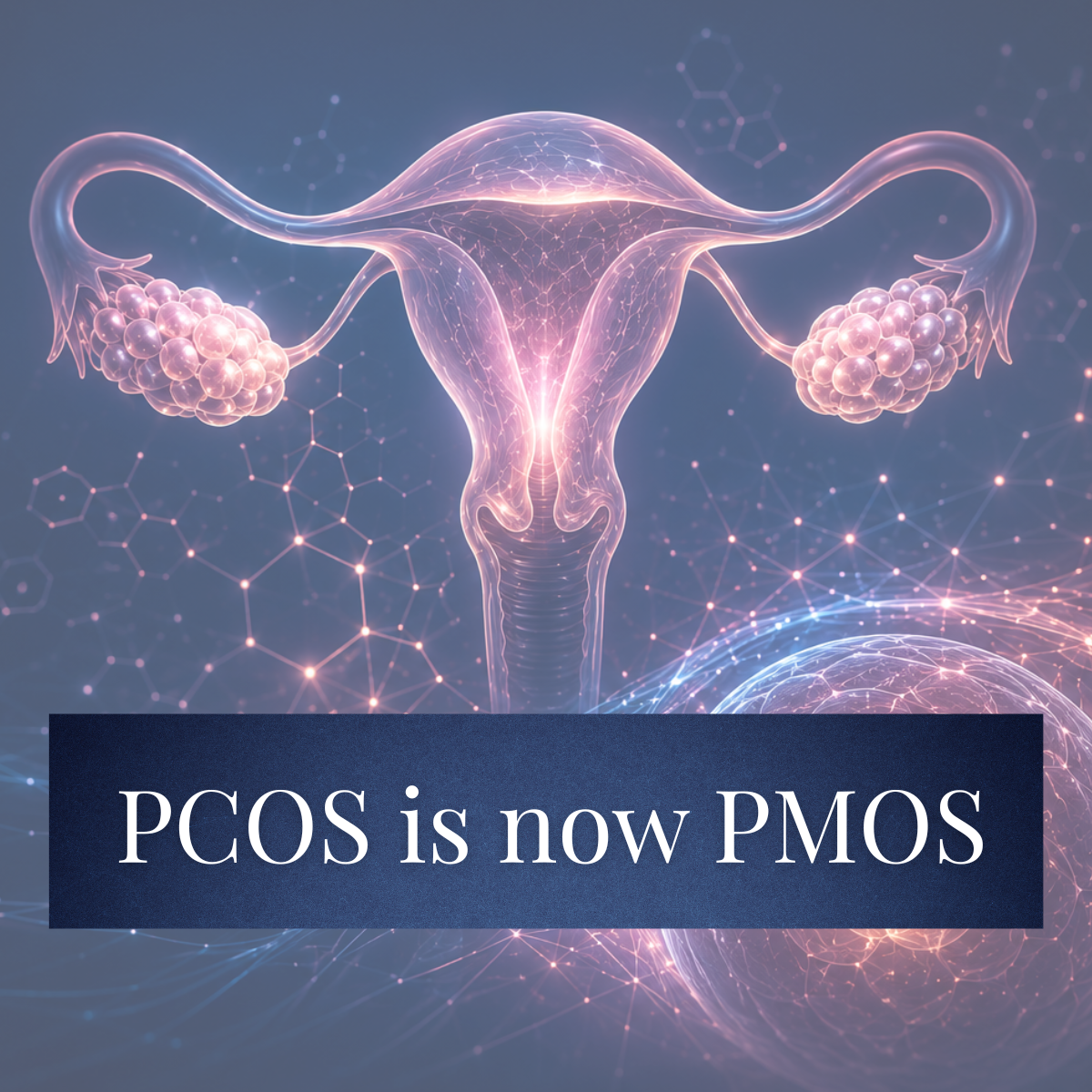
For years, women have been told they have “PCOS” — Polycystic Ovary Syndrome — even when they didn’t actually have ovarian cysts.
And now, experts are finally acknowledging something many clinicians and patients have recognized for a long time:
PCOS is much bigger than the ovaries.
Recently, major endocrine experts proposed changing the name from PCOS to PMOS — Polyendocrine Metabolic Ovarian Syndrome — to better reflect what this condition truly involves.
Because for many women, this isn’t just about irregular periods or fertility concerns.
It’s about:
Insulin resistance
Weight changes
Fatigue
Inflammation
Hair loss
Acne
Mood changes
Difficulty building muscle
Cravings
Blood sugar dysregulation
Metabolic dysfunction
Long-term cardiovascular risk
And honestly? The name change matters because words shape how women’s symptoms are understood and treated.
At Balanced Vitality Center, we believe women deserve a more comprehensive, root-cause approach when it comes to hormone and metabolic health.
So let’s talk about some of the most important strategies that can support women with PCOS/PMOS beyond simply “going on birth control.”
1. Blood Sugar & Insulin Resistance Matter More Than Most Women Realize
One of the biggest drivers behind PCOS symptoms is often insulin resistance.
Even women who are not overweight can struggle with insulin dysregulation.
When insulin levels remain elevated, this can contribute to:
Increased androgen production
Weight gain
Cravings
Fatigue
Irregular cycles
Difficulty losing weight
Increased inflammation
This is one reason why so many women feel frustrated when they are told to simply “eat less and exercise more.”
Supporting metabolic health often requires a much deeper approach.
Some foundational strategies include:
Prioritizing protein intake
Strength training
Walking after meals
Improving sleep quality
Reducing ultra-processed foods
Managing stress and cortisol
Stabilizing blood sugar throughout the day
2. Exercise Should Support Hormones — Not Punish Your Body
Many women with PCOS feel like they have to “work harder” to lose weight.
But overtraining and chronic stress on the body can sometimes worsen inflammation and hormone imbalance.
Instead of punishing workouts, focus on:
Strength training
Walking
Building muscle mass
Consistency over intensity
Recovery and sleep
Muscle is incredibly important for metabolic health, insulin sensitivity, longevity, and hormone support.
3. Sleep & Stress Are Often Overlooked
Poor sleep and chronic stress can significantly impact:
Cortisol
Blood sugar
Hunger hormones
Energy
Recovery
Inflammation
Many women with PCOS are functioning in a constant state of stress and exhaustion.
And unfortunately, the body does not thrive hormonally in survival mode.
Creating nervous system support through:
Better sleep habits
Stress management
Boundaries
Mindfulness
Recovery time
can be just as important as nutrition.
4. Supplements That May Support Women With PCOS
Every woman is different, and supplements should always be individualized based on symptoms, labs, medications, and health history.
But some commonly discussed supplements in PCOS support include:
Inositol
Often used to support:
Insulin sensitivity
Ovulation
Cycle regularity
Metabolic health
Omega-3 Fatty Acids
May support:
Inflammation
Triglycerides
Cardiovascular health
Vitamin D
Low vitamin D levels are commonly seen in women with PCOS and may impact:
Hormones
Mood
Metabolism
Insulin sensitivity
Magnesium
Can support:
Sleep
Stress response
Blood sugar regulation
Muscle recovery
Berberine
Sometimes discussed as a supplement that may support insulin sensitivity and metabolic health.
Protein Supplementation
Many women with PCOS are unintentionally under-eating protein, which can impact:
Muscle mass
Blood sugar stability
Satiety
Recovery
It’s important to remember that supplements are tools — not magic fixes.
The goal should always be building a sustainable foundation for long-term metabolic and hormone health.
5. PCOS Is Not Just About Fertility
This is one of the biggest misconceptions.
Even though fertility concerns can absolutely be part of PCOS, this condition can also impact:
Cardiovascular risk
Prediabetes and diabetes risk
Cholesterol
Body composition
Mental health
Inflammation
Long-term metabolic health
Women deserve care that looks at the whole picture — not just symptom suppression.
Final Thoughts
The shift from PCOS to PMOS reflects something important:
Women’s health conditions are complex, interconnected, and deserving of a more comprehensive approach.
At Balanced Vitality Center, we focus on looking deeper at hormone health, metabolic health, lifestyle, stress, inflammation, nutrition, and long-term prevention so women can better understand what their body is communicating.
If you’ve been struggling with symptoms and feel like you’re not getting answers, know that you are not alone — and your symptoms deserve to be taken seriously.
Ready to take a deeper look at your hormone and metabolic health?
Explore our Deep Dive Health Assessments at Balanced Vitality Center